Product Description

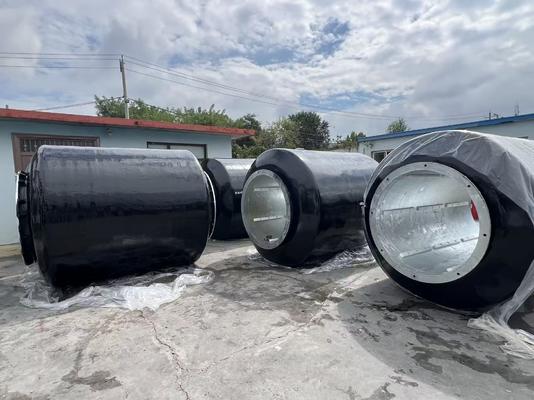
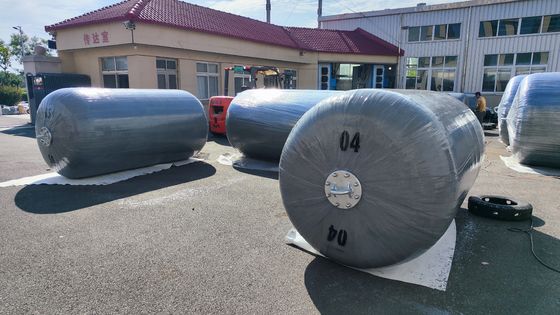
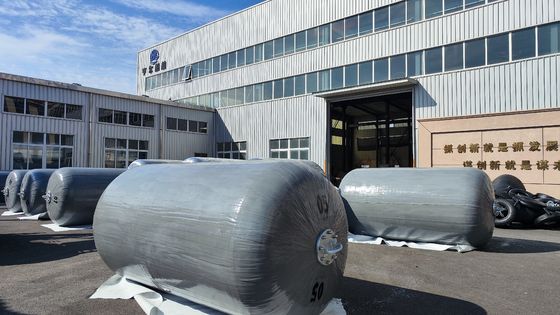
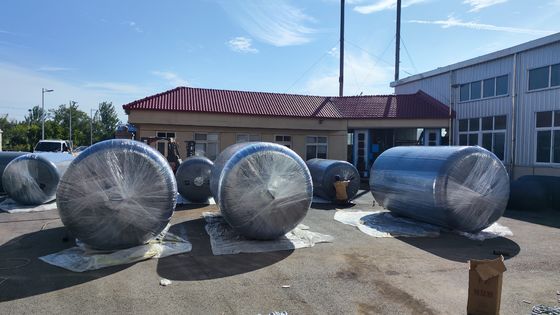
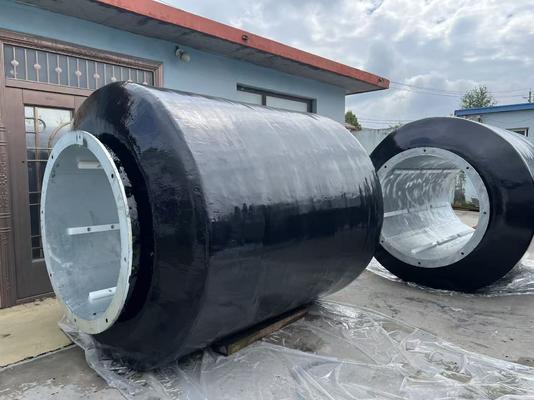
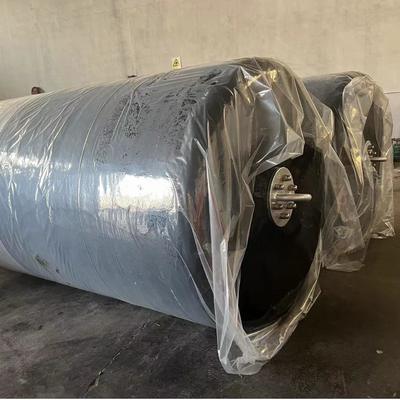
Foam-filled fenders are highly reliable marine protection systems designed to absorb impact energy between vessels, docks, and offshore structures. Unlike traditional pneumatic fenders, they use a resilient closed-cell foam core that keeps the fender buoyant and functional even if the outer skin is punctured or damaged. This makes them an excellent choice for ports, terminals, ship-to-ship operations, and offshore applications where safety and durability are critical.
The construction of a foam-filled fender typically consists of a high-density closed-cell polyethylene or EVA foam core, wrapped in a tough, UV-resistant polyurethane elastomer skin. Many models are further reinforced with nylon cord layers, end flanges, and optional chain-and-tire nets for added abrasion protection. The foam core provides consistent energy absorption, while the elastomer skin protects against oil, chemicals, ozone, seawater, and harsh weather conditions.
Compared with other fender types, foam-filled fenders offer low reaction force, high energy absorption, and excellent stability. They are unsinkable, require minimal maintenance, and can remain in service for many years even under continuous exposure to demanding marine environments. Their performance is predictable across a wide range of temperatures and loading conditions, making them suitable for both permanent installations and temporary berthing operations.
Foam-filled fenders are widely used for oil and gas terminals, container ports, cruise ship berths, naval vessels, barges, yachts, and offshore platforms. They can be customized in size, shape, color, foam density, skin thickness, and accessory configuration to meet specific project requirements. With their combination of safety, durability, and versatility, foam-filled fenders provide an effective and cost-efficient solution for modern marine impact protection.

 english
 français
 Deutsch
 Italiano
 Русский
 Español
 português
 Nederlandse
 ελληνικά
 日本語
日本語
 한국
한국
 العربية
 हिन्दी
 Türkçe
 indonesia
 tiếng Việt
 ไทย
ไทย
 বাংলা
বাংলা
 فارسی
فارسی
 polski